
Many people have experienced this: for the first few days after a haircut, it’s incredibly smooth, and you feel like a completely different person when you look in the mirror. But within a week, your hair becomes frizzy, dry, and brittle again, and your style seems to have flattened. Some people suspect the hairdresser didn’t do a good job. In most cases, the problem isn’t the hairstylist’s craftsmanship but rather poor post-cut care.
If you want your hair to stay fresh and looking its best for longer, the key is to not skimp after your haircut. These four methods are simple, cost-effective, and produce quick results.
1. Why does it need more maintenance after pruning?
Many people assume that simply cutting off damaged ends will automatically restore healthy hair. However, this isn’t the case. When scissors or hair clippers are used to cut hair, the ends become fresh cross-sections. These cuticles are more fragile and susceptible to external irritants, such as heat, shampoo residue, and direct sunlight. Consequently, once clean, neat hair quickly becomes frizzy.
Another point is that short hair is particularly dependent on the overall hair quality. Think about it: when you have long hair, you can rely on the weight of the hair ends to support it, but if short hair is dry and flat, it will immediately become frizzy or stick to the scalp, making it look very lifeless.
Therefore, post-cut care helps lock the hair in its original state, which not only prevents split ends and hair breakage but also allows the hairstyle to last longer.
2. 4 key actions for hair care after cutting
In fact, hairdressers often emphasize that it is not “buying a lot of expensive hair care products” but getting back to the basics. These 4 steps are really enough.
1. Don’t wash your hair too often; once every 2-3 days is enough
Many people are accustomed to washing their short hair daily for a fresh feel. However, daily washing strips the scalp of its natural oils, which serve as a protective barrier for the hair. Overwashing can actually dry out the hair and make it more sensitive and oily.
- Normal hair: Wash every 2-3 days.
- Dry scalp or curly hair: You can use it once every 4-5 days, using dry hair spray in between as an emergency measure.
Small details: The water temperature should not be too hot; just use lukewarm to rinse. When using shampoo, mainly massage the scalp and let the foam flow through the ends of the hair; there is no need to over-clean.
2. Use the hair dryer less often; it is best to let it dry naturally
Excessive use of a hair dryer can be a real killer. High temperatures can cause moisture loss, damaging the hair cuticles and causing them to become frizzy and unsmooth. For those who’ve dyed their hair, high temperatures can even cause the color to fade faster.
- The right way: Gently press with a towel to remove any excess moisture (don’t rub vigorously), then let it air dry. If you’re in a hurry, use a hair dryer on low heat and keep it 15-20 cm away from your scalp.
3. Use conditioner every time, and add a “first aid” step for dry hair
Don’t underestimate conditioner. Men often find it a hassle, but short hair is more prone to dryness and stiffness. Conditioner can make hair smoother and your hairstyle more manageable.
- Always apply conditioner after washing your hair, focusing on the ends of your hair; avoid applying it to your scalp, and leave it on for a minute or two before rinsing it off.
- If your hair is so dry that it becomes frizzy, you can use a leave-in conditioner or hair oil. Rub a soybean-sized amount on the palm of your hand and gently rub the ends of your hair. It won’t make your hair feel greasy.
Furthermore, hair dehydration isn’t just an external issue; it’s also linked to how much water you drink. Drinking two liters of water daily will keep your scalp and hair follicles more hydrated, making your hair less prone to breakage.
4. Don’t buy random hair care products. Avoid these 3 ingredients.
When choosing toiletries, hairdressers actually focus on ingredients, not price. Expensive products aren’t necessarily suitable; only suitable products are good.
3 ingredients to avoid:
- Sulfates: The cleansing power is too strong, and the scalp can’t stand it.
- Parabens: May leave residue and cause scalp sensitivity.
- Silicones: Smooth in the short term, drying in the long term.
When choosing, look at the hair quality:
- Fine hair: Oil control + light moisturizing to avoid sticking to the scalp.
- Coarse or dry hair: Deep moisturizing; ingredients like coconut oil and glycerin are good.
No need to stock up on a bunch of bottles; the right shampoo and conditioner duo can be yours for under a hundred bucks.
Summarize
If your hair is frizzy and flat after a cut, it’s not the hairdresser’s fault. The real problem lies in how you maintain it after the cut.
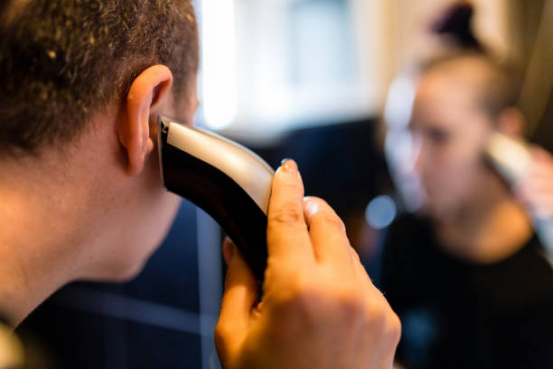
Whether you are getting your hair trimmed at a barber shop or using hair clippers at home, remember these 4 steps:
- Don’t wash your hair too often to preserve the natural protective oils;
- Use the hair dryer less often and try to dry naturally.
- Always use conditioner, and use leave-in for emergency treatment of dry hair.
- When choosing products, look at the ingredients and avoid ingredients that may damage hair.
These seemingly simple habits, if you stick to them, will help you maintain your hairstyle and improve your hair quality. To put it bluntly: cutting your hair is just the first step; maintenance is the real key.