
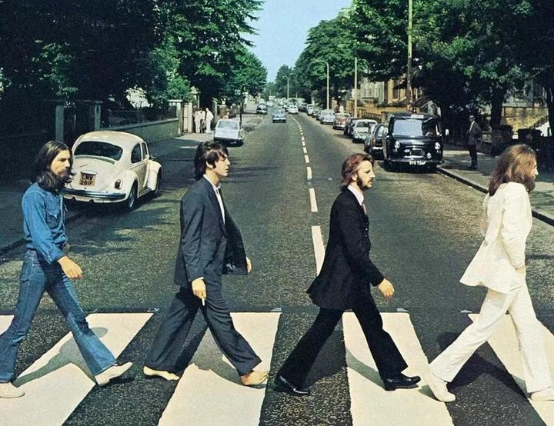
In the 1960s, a group of people dared to challenge traditional hairstyle norms—young people began to take control of their own hairstyles, rejecting the “standards” imposed by parents, schools, and society. This wasn’t just about rebellion, but more about a desire to express themselves, and hairstyle became the most intuitive and simple way for them to do so. The emergence of the Beatles symbolized this trend, and their hairstyle was a direct challenge to tradition. Without the changes of that era, would we be able to express our individuality as freely today?
1970s: Long hair becomes a symbol of the era
By the 1970s, long hair was no longer just a symbol of hippies; it became a symbol of freedom, rebellion, and musical culture. Rock musicians of that era, their hair flowing in the wind, released energy and emotion with every strum of their guitars. The rise of hard rock and heavy metal—Led Zeppelin, Black Sabbath, the Eagles…—the men’s hairstyles of each band became objects of imitation, even cultural icons. The spirit of self-expression through hairstyle is at the heart of rock culture .
Back then, long hair represented more than just appearance; it was a lifestyle, a declaration of uninhibited freedom. And hair clippers , once considered a traditional tool in the 1950s, became the secret weapon for many rockers in the 1970s to keep their long hair neat and tidy. They used them to create perfect layers, maintaining a sense of free flow without appearing overly messy. Isn’t it an interesting contradiction ? The balance between freedom and order often lies in these small details.
Nostalgia Revival: 50s Hairstyles Are Back
The ’70s weren’t just about long hair ; retro hairstyles from the ’50s were also making a quiet comeback. Short, neatly styled hair instantly became another major fashion trend. In an era seemingly filled with a free spirit, some people were pursuing a refined, retro look , and hair clippers once again played a key role. A carefully trimmed bob exuded a retro vibe while maintaining a modern, fashionable feel. Why would those who embraced the wild side of the ’70s want to return to the neat hairstyles of the ’50s ? Perhaps this was another expression of the times: an effort to find balance amidst change.
The rise of punk: short hair rebels again
Just when everyone seemed to have reached some kind of “compromise,” another massive wave of rebellion swept in. With the birth of punk culture in the late 1970s, long hair was once again challenged. This time, the challenger was none other than the iconic punk hairstyle: the Mohawk . Shaved completely, the remaining hair resembled a sharp knife, symbolizing a radical rejection of the past. Those punk youths took up hair clippers , slicing off all their hair, leaving only a few defiantly short locks. At the time, they seemed to be rebelling against mainstream culture in the most direct and extreme way possible.
Punk’s rebellion was so intense that it not only influenced hairstyles but also transformed the entire era’s understanding of personal expression. Skinheads and punk bands of the time , with each cut, not only transformed their appearance but also expressed a challenge to society. Hair clippers , no longer simply a trimming tool, became a part of cultural expression.
The 80s transition: from rebellion to practicality
However, just as every movement has its backlash, with the arrival of the 1980s, long hair and punk styles gradually faded, replaced by a simpler, more practical short hairstyle. Yes, short hair, once a rebellious hairstyle, has unexpectedly become mainstream again. From long hair to short hair, from self-indulgence to the pursuit of norms, our times have become more complex, and men’s hairstyles are no longer simply a tool to resist trends, but a symbol of practicality, convenience, and freshness.
Hair clippers remain a staple in every home and barbershop. Whether you’re looking for a clean, short hairstyle or want to experiment with a retro style, their versatility and convenience have transformed them from a simple tool into a fashion statement. In the 1980s, hair clippers saw significant advancements in technology, allowing them to not only trim short hair but also create a variety of sophisticated hairstyles.
Summary: The role of hair clippers in the trend of the times
The evolution of men’s hairstyles in the 1970s reflected not only cultural and musical trends but also social change and personal freedom of expression. And hair clippers , behind all of this, quietly played a crucial role. More than just a tool, they served as a bridge for every man to manage his hair and express himself across diverse cultural trends. While tool design evolved with the times, their core function remained: helping everyone achieve their ideal hairstyle. Regardless of the era or the style you pursue, hair clippers remain an indispensable gateway.
Can your hairstyle tell a story of history? Can your hair clippers bear witness to the changing times you’ve lived through?