
Hair clippers are essential tools for every haircut, whether used at the barbershop or at home. The sharpness of the blades directly determines the effectiveness and smoothness of the cut. A dull blade can not only cause the cut to stall, but can also pull hair, causing discomfort and, in severe cases, damage the clippers. Therefore, regular sharpening of your hair clipper blades is crucial for maintaining your tools and improving your haircut results.
By sharpening your razor blade, you can restore its sharpness, extend its lifespan, and improve the smoothness and efficiency of your haircuts. Below, I’ll share several common and practical sharpening methods to help you restore your razor blades to their original glory. Whether you’re an experienced barber or an occasional do-it-yourselfer, you’ll find a method that works for you.
Why do you need to sharpen your barber blades?
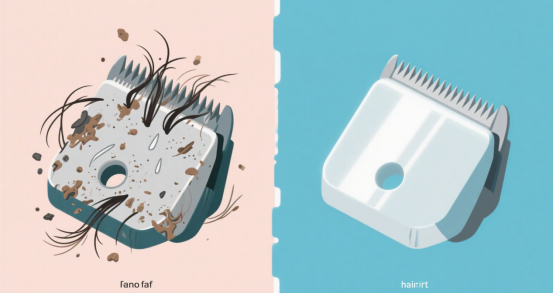
Every time you use a hair clipper, the blade rubs against your hair, and over time, the blade becomes dull. A dull blade not only makes the haircut less smooth, but can also cause hair pulling or damage to the blade. Regularly sharpening your hair clipper blades helps maintain their sharpness, ensuring a smoother haircut and extending the life of your hair clippers.
Benefits of knife sharpening:
- Improve haircut quality: Sharp blades cut hair smoothly without pulling, ensuring a precise haircut every time.
- Improve efficiency: Sharp blades can reduce repetitive operations, making the haircutting process faster and saving time.
- Extend the life of the blade: Regular sharpening can prevent excessive wear of the blade and extend the use time of hair clippers.
Common methods for sharpening barber razor blades
There are many ways to sharpen a barber’s blade, and you can choose the tool that best suits your needs. Below, I’ll share several common and effective sharpening methods. Each method has its own advantages and applicable scenarios, so you can choose the one that suits your situation.
1. Use a whetstone
A whetstone is a classic and effective tool for sharpening a variety of knives, including barber knives. Choosing the right whetstone is crucial, and preferably one with a fine grit to avoid damaging the blade. Here’s a personal example: I have a friend who’s the family’s go-to barber. Whenever his blades become dull, he gently sharpens them with a whetstone, and he consistently restores them to a sharp edge with remarkable results.
How to use a whetstone:
- Choose the right whetstone: Whetstones come in different sizes, and it is recommended to choose one with finer grains to avoid scratching the blade.
- Lubricate the whetstone: Drop some water or lubricating oil on the whetstone to reduce the friction between the blade and the stone surface.
- Maintain the proper angle: Hold the blade at a 15 to 20-degree angle to the whetstone to ensure an even grind.
- Grind gently: Grind gently along the direction of the whetstone, ensuring that every corner is ground evenly.
- Cleaning the blade: After sharpening, rinse the blade with water, wipe it dry and check its sharpness.
- Pros: Affordable, suitable for home users, can finely restore blade sharpness.
2. Use an electric knife sharpener
If you want to improve your sharpening efficiency, an electric sharpener is a good choice. Electric sharpeners usually have multiple adjustment functions, allowing you to adjust the angle and speed according to your needs. They are especially suitable for barber friends who use barbers frequently.
How to use an electric knife sharpener:
- Choose the right electric sharpener: Make sure the sharpener supports sharpening barber blades and can adjust the sharpening angle.
- Adjust the sharpening angle: Adjust the setting of the electric sharpener according to the angle of the blade. The angle of the barber knife is generally 15 to 20 degrees.
- Start the device to sharpen: Place the blade on the sharpener, start the device and slowly push the blade to sharpen.
- Check sharpness: Grind repeatedly as needed until the blade is sharp again.
- Cleaning the Blade: After sharpening, rinse the blade with clean water to remove debris.
- Advantages: Fast and efficient, suitable for barbers or home users who need to sharpen their knives frequently, saving time.
3. Use a sharpening rod
A sharpening rod is a handy tool, especially for minor everyday trimming. If you already have a barber’s razor at home, a sharpening rod can quickly restore the blade’s sharpness, and its simple operation makes it easy for barbers and home users alike to master.
How to use a knife sharpening rod:
- Choose the right sharpening rod: Sharpening rods come in two types: steel and ceramic. Steel is more durable, while ceramic is suitable for finer grinding.
- Maintain the correct angle: Hold the blade at a 15 to 20 degree angle to the sharpening rod and gently pull the blade.
- Pull the blade back and forth: Gently pull the blade in the direction of the sharpening rod to ensure that every part is sharpened.
- Check the results: Check the blade sharpness from time to time and repeat several times if necessary.
- Advantages: easy to carry, easy to operate, very suitable for daily minor repairs.
4. Use sandpaper
If you don’t have a dedicated tool for sharpening your knife, sandpaper is a simple and practical alternative. While it won’t be as fine as a whetstone or electric sharpener, it can be an effective aid in those moments when sharpening is most needed.
How to use sandpaper:
- Choose the right sandpaper: Choose sandpaper with a grit of 1000 to 2000 to effectively sharpen the blades.
- Laying out the sandpaper: Lay the sandpaper flat on a stable surface, making sure it does not slide.
- Gently sharpen the blade: Place the blade lightly on the sandpaper at a 15 to 20 degree angle and grind back and forth.
- Check sharpness: During the grinding process, check the sharpness of the blade at any time until you are satisfied.
- Advantages: Cheap and readily available, suitable for situations where sharpening is urgently needed.
Things to note after sharpening the knife
Sharpening your knife is just the first step; maintenance is equally crucial. Once you’re done sharpening, here are a few tips to help you keep your blade in top condition:
- Clean the blade thoroughly: Make sure there is no residual grinding material on the blade to avoid affecting the next use.
- Apply lubricant: Apply a thin layer of lubricant to the surface of the blade to prevent rust.
- Store the blades correctly: Store the blades in a dry place, avoid humid environments, and make sure the blades do not collide with hard objects.

Summarize
Sharpening a barber’s blade is a task that requires patience and skill, yet it’s crucial to the performance and longevity of your cutting tools. Mastering the correct sharpening technique not only keeps your blades sharp but also makes each haircut smoother and more efficient. Whether you’re a professional barber or just an occasional do-it-yourselfer, learning how to properly sharpen your blades will keep your cutting tools in top condition, ensuring a more seamless haircut experience.
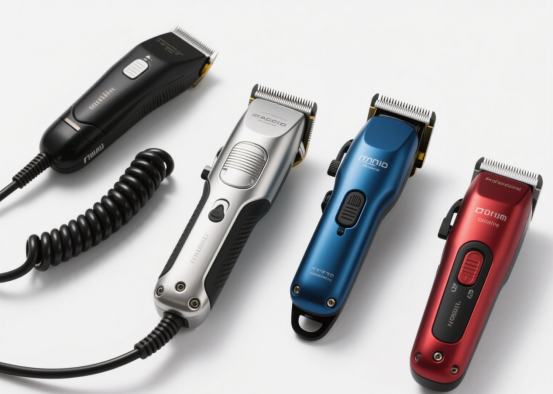
If you don’t have a pair of hair clippers yet , hurry up and choose a high-quality pair of hair clippers to make every haircut a pleasure and get professional-level haircut results easily!